
Dr Rommel El-Madany
OBGYN & Maternal-Fetal Medicine Specialist
At Helena Medical, we understand that every journey to parenthood is deeply personal. Dr Rommel El-Madany provides consultant-led fertility assessments and treatment at our George Town waterfront clinic, combining advanced diagnostics with compassionate, one-on-one care – whether you’re proactively planning ahead or navigating delayed conception.

OBGYN & Maternal-Fetal Medicine Specialist

In today’s fast-paced world, many individuals and couples seek the assurance that their reproductive health is on the right track, even before they are ready to start a family. Dr Rommel El-Madany provides experienced, consultant-led fertility assessments focused on identifying contributing factors, providing peace of mind, and guiding your next steps.
Clinically, delayed conception is defined as one year of regular, unprotected intercourse without achieving pregnancy. However, this benchmark should not be viewed as a mandatory waiting period. Waiting a full year to investigate is often unnecessary, especially when a basic check-up can provide clarity much sooner.
Fertility is not a solo endeavour. Modern assessments are designed to provide a comprehensive overview for both males and females. By evaluating both partners early, we can identify any issues that may require correction and ensure a collaborative approach to future family planning.
You do not need to be currently trying to conceive to benefit from a fertility consultation. The period when you are not yet ready to get pregnant is actually the ideal time to optimize your future fertility. Using this time proactively allows for:
Traditional
Starting point
After 12 months of trying.
Focus
Identifying why it has not happened.
Involvement
Often focused on one partner first.
Goal
Treatment of infertility.
Recommended
Starting point
Before planning or in early stages.
Focus
Ensuring everything is optimized.
Involvement
Simultaneous male and female screening.
Goal
Prevention and health optimization.
By seeking a basic check-up before planning a pregnancy, you move away from the “waiting game” and toward a strategy of informed, confident health management.
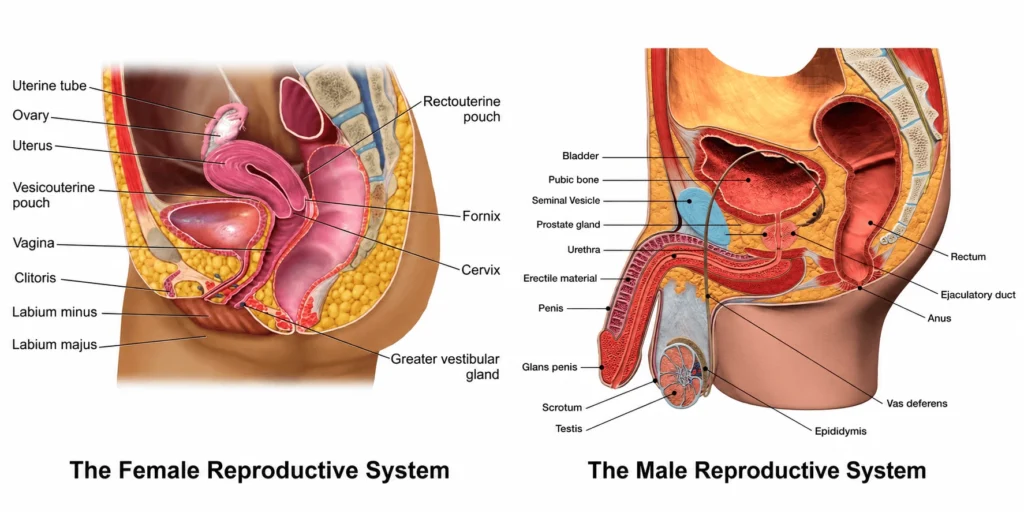
The journey toward understanding your fertility begins with a structured and thorough fertility testing process. These initial steps are designed to provide a holistic view of your reproductive health, moving beyond simple metrics to understand the unique biological factors at play for both partners.
A standard fertility evaluation typically includes:
Primary objective
Contextualizing your health.
Key information gathered
Identifies lifestyle or systemic factors.
Primary objective
Visualizing the anatomy.
Key information gathered
Checks for fibroids, polyps, or ovarian issues.
Primary objective
Monitoring the “engine.”
Key information gathered
Confirms hormonal balance and ovarian reserve.
Primary objective
Evaluating male factor.
Key information gathered
Assesses the quality and quantity of sperm.
Where assessment identifies a specific barrier to conception, Dr El-Madany offers a range of evidence-based treatments, tailored to whether the cause is female-related, male-related, or a combination of both.
Day 1, 2, 3, 4, 5
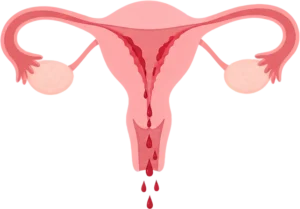
Your uterine lining sheds and leaves your body as a period. Hormone levels are at their lowest, and this marks day one of a new cycle.
Day 6, 7, 8, 9, 10, 11, 12, 13
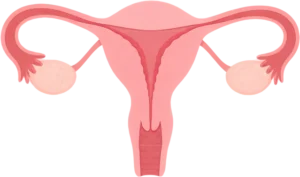
Your pituitary gland releases follicle stimulating hormone (FSH), prompting the ovaries to grow follicles. Rising oestrogen rebuilds the lining.
Day 14
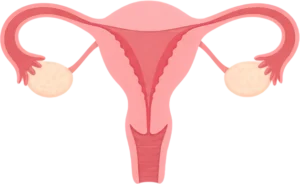
A surge in luteinising hormone (LH) triggers the ovary to release a mature egg. This is the most fertile point of your cycle.
Day 15, 16, 17, 18, 19, 20, 21, 22, 23, 24, 25, 26, 27, 28
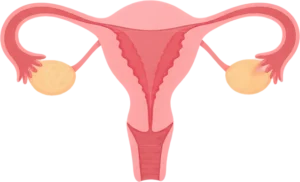
Progesterone rises to thicken the uterine lining. If the egg is not fertilised, hormone levels drop and the body prepares to shed the lining.
This is a demonstration based on a standard 28-day cycle; everyone and every cycle is different. Ovulation typically occurs 14 days before the start of the next period, which accounts for this variability.
While the traditional clinical definition of delayed conception is one year of regular, unprotected intercourse, you do not need to wait that long. It is advisable to seek an earlier assessment (after 6 months) if the female partner is over 35, or even sooner if there is a history of irregular cycles, endometriosis, or pelvic surgery. Many individuals now choose to have a baseline check-up before they even begin trying, just to ensure everything is optimized.
The first step is about gathering data to create a personalized roadmap. This typically involves:
Yes. Fertility is a shared journey, and “male factor” contributes to approximately 40–50% of all conception challenges. A simple semen analysis is one of the most informative and non-invasive tests available. By assessing both partners simultaneously, we can identify and address any issues much more efficiently.
Absolutely. This is often called Fertility Awareness or Optimization. Using the time when you are not yet ready to conceive allows us to identify potential hurdles early. We can focus on lifestyle adjustments, nutritional optimization, and managing any minor hormonal imbalances so that when you are ready, your body is in the best possible position.
To make the most of your time, it is helpful to have:
While regular cycles are a very positive sign of ovulation, they do not tell the whole story. Regular periods do not account for tubal patency (whether the fallopian tubes are open), uterine health (presence of fibroids or polyps), or the quality of the eggs. A professional assessment looks beyond the cycle to ensure all “gears” of the reproductive system are working together.
“Infertility is usually a woman’s issue.”
Issues are found in the male partner just as frequently as the female partner.
“You have to wait a year to get help.”
Proactive screening is encouraged, especially for age-critical patients or those seeking peace of mind.
“Stress is the main cause of delayed conception.”
While stress is not helpful, most delays have an underlying biological or hormonal cause that can be treated.
“Supplements alone can fix fertility issues.”
Supplements can optimize health, but they cannot fix structural issues like blocked tubes or large fibroids.