
Dr Rommel El-Madany
OBGYN & Maternal-Fetal Medicine Specialist
At Helena Medical, we provide comprehensive, consultant-led gynaecological care for women across every stage of life – from routine wellness and fertility planning through to complex surgical treatment. As a dual-certified OB/GYN with over 20 years of experience in the Cayman Islands, Dr Rommel El-Madany combines evidence-based medicine with a calm, unhurried approach, ensuring every patient feels heard, respected, and fully informed about their care.

OBGYN & Maternal-Fetal Medicine Specialist
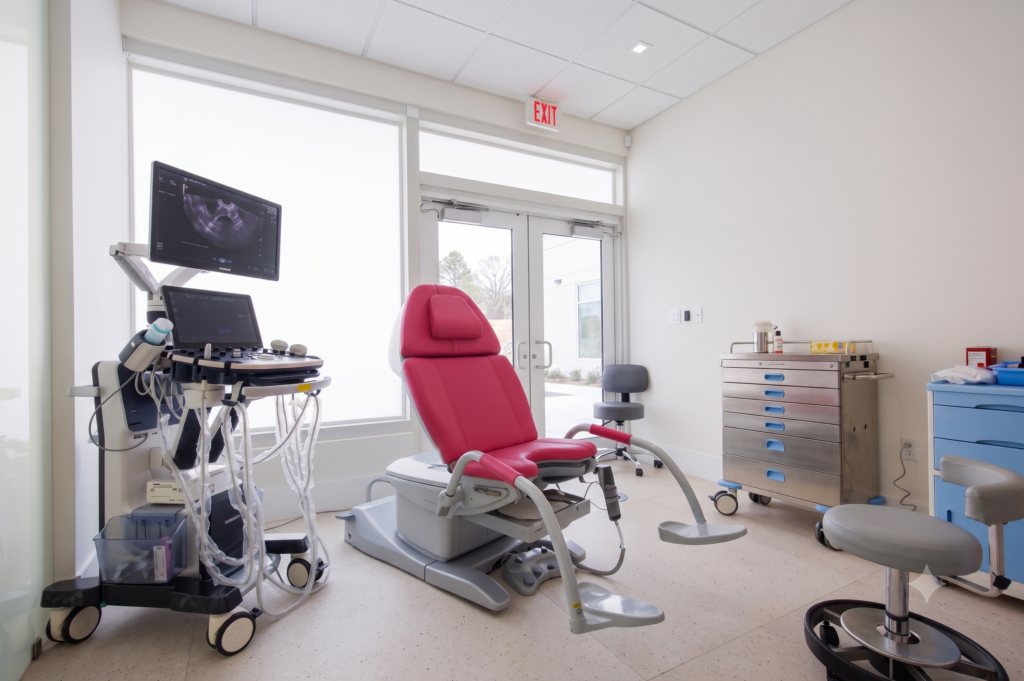
A Well-Woman Visit is more than a single test – it’s a comprehensive annual health assessment that evolves with you. Even if you don’t need a screening test every year, an annual consultation helps establish a health baseline and address any changes in your cycle, mood, or lifestyle.
Pap smears (cervical cytology) remain one of the most effective tools for early detection of cervical changes. At Helena Medical, screening is tailored to your age, history and risk factors, and may be combined with HPV testing for a fuller picture. If a result needs closer review, Dr El-Madany offers digital colposcopy on-site, with no need for hospitalisation.
Where a Pap smear or HPV test shows changes requiring closer review, Dr El-Madany performs digital colposcopy on-site, along with outpatient LEEP procedures where treatment is needed – avoiding delays or the need to have a procedure in a hospital.
As part of ongoing gynaecological care, we also provide screening for cancers affecting the vulva, vagina, cervix, uterus, and ovaries, with early detection through regular screening remaining the most effective form of protection.
Beyond screening, Dr El-Madany manages hormonal imbalances and menstrual disorders such as heavy or irregular periods, alongside contraception counselling and menopause management. For patients planning a family, this includes fertility assessments, with more detailed fertility support available on our dedicated Fertility Care page.
Confidential screening, diagnosis and treatment are available for common sexually transmitted and other gynaecological infections.
Balanced advice helps you compare contraceptive options and choose an approach suited to your health, lifestyle and future plans.
Consultation, fitting and follow-up care for contraceptive implants are available at the clinic.
Permanent contraception can be discussed in detail, including suitability, alternatives and the surgical process.

Uterine fibroids are extremely common and, in many cases, don’t require any intervention at all. Whether surgery is recommended usually depends on a “symptom and clinical effect” approach rather than the presence of fibroids alone. If fibroids are found incidentally and aren’t causing pain, heavy bleeding, or delaying pregnancy, watchful waiting is often the preferred strategy.
Beyond fibroids, we also diagnose and manage other common gynaecological conditions, including but not restricted to heavy and/or irregular bleeding, infection, endometriosis, ovarian cysts, pelvic organ prolapse, pelvic pain, and genital organ tumours or swelling. Treatment ranges from monitoring and medical management through to minimally invasive surgery, depending on your symptoms and diagnosis.
Surgery (such as myomectomy, hysterectomy, or pelvic floor repair) is generally reserved for cases where non-surgical treatments have failed, fibroids are growing rapidly, malignancy is suspected (though fibroids are almost always benign), or size and location are causing significant discomfort or affecting fertility. Where future pregnancy is a priority, a myomectomy is typically favoured to preserve the uterus.
Depending on your case, Dr El-Madany offers abdominal, vaginal, or laparoscopic (minimally invasive) approaches to both myomectomy and hysterectomy, chosen to support the safest, fastest, most comfortable recovery appropriate for your situation.
Your first visit begins with an unhurried conversation to understand your health history and any concerns – no question is too small or private. Any physical assessment is explained step by step beforehand, conducted at your pace, with an ultrasound available on-site if it would help provide immediate clarity. Before you leave, you’ll have a clear plan for next steps, whether that’s follow-up tests, treatment options, or simply peace of mind.
Even without needing a screening test every year, an annual Well-Woman Visit is recommended to establish a health baseline and track changes over time. See the age-based schedule above for what’s typically recommended at each life stage.
Not necessarily. Many fibroids are found incidentally and don’t require treatment at all. See Understanding & Treating Uterine Fibroids above for when surgery is and isn’t recommended.
New or unusual symptoms (pelvic pain, breast lumps, changes in your period), a strong family history of breast, ovarian, or uterine cancer, abnormal previous results requiring active monitoring, or a major life transition such as starting or stopping contraception, planning pregnancy, or menopause.